
CAF in Crisis: Guinea Demands Morocco Hand Back the 1976 AFCON Title After Senegal’s 2025 Crown Is Stripped
The Confederation of African Football (CAF) is staring down a full-blown historical reckoning. What began as a controversial disciplinary ruling in the 2025 Africa Cup of Nations final has now rippled backward nearly five decades, with the Guinea Football Federation formally challenging Morocco’s 1976 triumph and demanding “Give us back our 1976 AFCON trophy.”
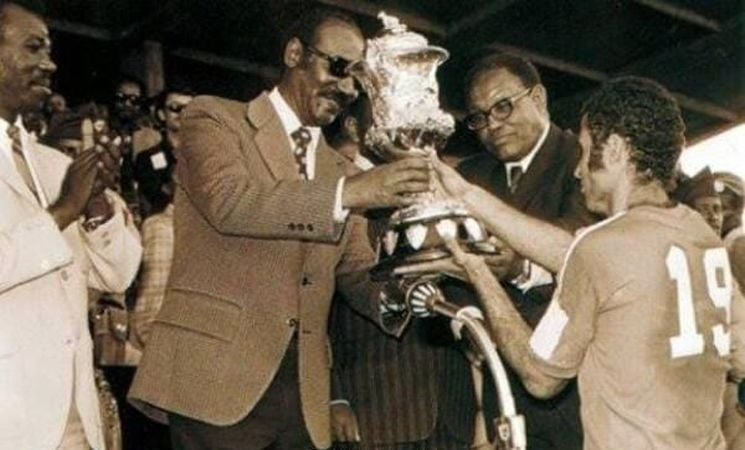
The trigger? A striking parallel: both tournaments featured a team briefly walking off the pitch in protest — yet only one was punished retroactively. Guinea argues that if CAF can strip a champion of its title in 2025 for leaving the field, the same logic must apply to Morocco in 1976. The request has thrust CAF into an uncomfortable spotlight, raising thorny questions about consistency, retroactive justice, and whether African football’s governing body is prepared to rewrite its own history.
The 2025 Final: On-Pitch Glory, Off-Pitch Forfeit
Let’s rewind to January 2025 in Rabat, Morocco — the glittering host nation for that year’s AFCON. The final pitted the home side against a formidable Senegal team, the reigning champions from 2021 and 2023. Senegal appeared to have sealed victory in extra time with a 1-0 win. But chaos erupted in stoppage time of regular time when refereeing officials awarded Morocco a penalty. Led by coach Pape Thiaw, Senegal’s players walked off the pitch in protest for approximately 15 minutes. Fans attempted to storm the field. The players eventually returned, the match resumed, and Senegal held on to their extra-time lead.0
Or so everyone thought.
Just weeks later, CAF’s Appeal Board stepped in. Citing Article 84 of the tournament regulations — which states that a team refusing to play or leaving the field without permission can be disqualified — the board declared Senegal to have forfeited the final. The result was rewritten as a 3-0 victory for Morocco. The title, the trophy, and the glory were handed to the Atlas Lions.1
Senegal was furious. Fans branded the decision “a disgrace for Africa.” The Senegalese government even called for an investigation into CAF. President Patrice Motsepe acknowledged the ruling had “damaged confidence” in African football but insisted the disciplinary bodies operated independently and that Senegal could appeal all the way to the Court of Arbitration for Sport.3
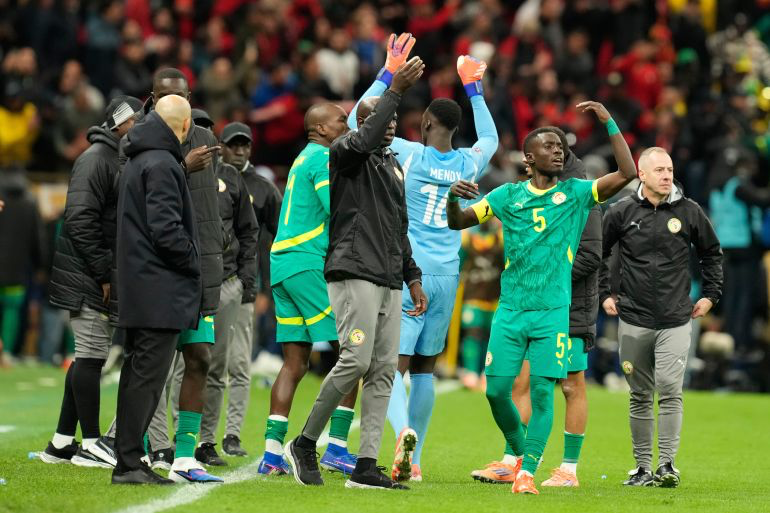
The images of Senegal players in green jerseys confronting officials, gesturing in disbelief, and clashing with Moroccan counterparts went viral. For many, it wasn’t just about one match — it was about fairness in a continent where football carries immense cultural and political weight.
Flashback to 1976: The Original Walkout That Went Unpunished
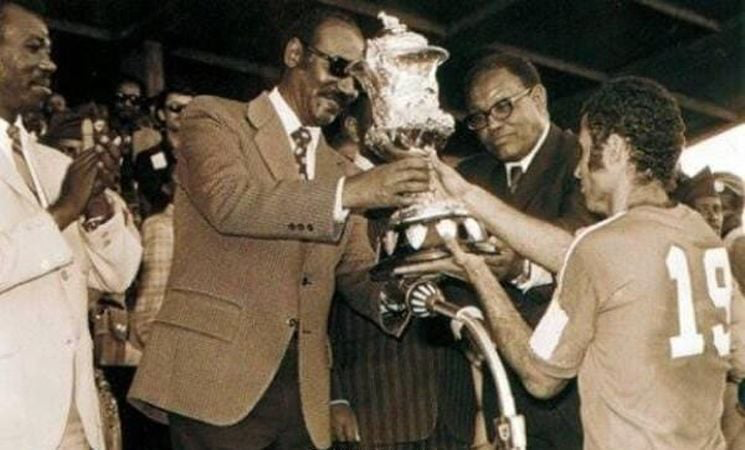
Now travel back to 14 March 1976 in Addis Ababa, Ethiopia. The 1976 AFCON used a unique four-team final round-robin format rather than a knockout. The decisive clash pitted Morocco against Guinea. Morocco needed only a draw to claim the title; Guinea required a win.
Guinea took a 33rd-minute lead through legendary striker Chérif Souleymane. Shortly afterward, the Moroccan players walked off the pitch in protest over a refereeing decision (a red card to one of their own, according to contemporary accounts). They stayed away for roughly 15 minutes before returning — reportedly with ten men — and somehow found an equalizer through Ahmed Makrouh in the 86th minute. The match ended 1-1. Morocco finished top of the group with five points to Guinea’s four and were crowned champions. It remains Morocco’s only AFCON title to this day.20
No forfeit. No 3-0 award. No stripping of the trophy. The result stood.
Guinea’s Demand: “History Repeats Itself… But a Different Verdict Is Served”
Fast-forward to March 2026. With Senegal’s title stripped for an almost identical walkout, the Guinea Football Federation saw an opening. In an official statement, they urged CAF to apply “similar disciplinary standards” retroactively. They referenced the exact parallels: the protest walk-off, the return to the field, and the ultimate benefit gained by Morocco. “If recent CAF rulings can retroactively punish match incidents, then the 1976 case where Morocco left the pitch during play should also be reviewed,” the federation declared. Their rallying cry? “Give us back our 1976 AFCON trophy.”10
Guinea’s argument is simple and powerful: rules are rules. If CAF now views leaving the pitch as an automatic forfeit — regardless of what happens afterward on the field — then the 1976 title should never have gone to Morocco. They finished second on the table in 1976; under 2025 logic, they should have been handed the crown.
The call has ignited passionate debate across African media, social platforms, and fan forums. Some see it as poetic justice. Others warn of a dangerous precedent that could unravel decades of tournament records.
The Bigger Picture: Consistency, Chaos, or Convenient Timing?
CAF now faces a genuine dilemma. On one hand, the organization prides itself on “applying the regulations” strictly — as evidenced by the 2025 ruling. On the other, reopening a 50-year-old case raises massive practical and philosophical problems:
- Evidence and context: The 1976 match had no VAR, limited television coverage, and different refereeing standards. Would CAF seriously re-adjudicate based on newspaper reports and grainy footage?
- Floodgates: African football history is littered with protests, boycotts, and walk-offs (remember the 1978, 1982, or even 2010 editions?). If 1976 is reviewed, where does it stop?
- Geopolitics: Morocco is a rising powerhouse — co-hosting the 2030 World Cup, investing heavily in African infrastructure, and enjoying strong CAF influence. Critics quietly wonder whether the 2025 decision reflected favoritism toward the hosts, and whether Guinea’s claim will be treated with the same urgency.
- Credibility: CAF President Motsepe himself admitted the Senegal saga damaged trust. Retroactively changing 1976 could either restore faith in consistency or deepen cynicism that rules only apply when convenient.
Former CAF disciplinary figures have already weighed in, noting the 1976 walk-off was “brief” and the match resumed without formal protest at the time. Yet Guinea counters: so was Senegal’s.
What Happens Next?
As of March 20, 2026, CAF has issued no formal response to Guinea’s petition. Senegal is reportedly preparing its own appeal to the Court of Arbitration for Sport. Moroccan officials have remained largely silent, perhaps confident that time and precedent will protect their two titles — one earned on the pitch in 1976, one awarded off it in 2025.
But the conversation won’t die quietly. African football fans, pundits, and federations are watching closely. This isn’t just about two tournaments; it’s about whether CAF can govern with fairness that transcends eras, politics, and power dynamics.
The 1976 final in Addis Ababa and the 2025 final in Rabat are now forever linked by a 15-minute walk-off and CAF’s selective memory. Guinea has thrown down the gauntlet. The ball is in CAF’s court — literally and figuratively.
Will they apply the rules consistently, no matter how uncomfortable the outcome? Or will they draw a line in the sand and declare that some titles are more untouchable than others?
African football deserves answers. And the pressure on CAF is only just beginning.





Leave a Reply